

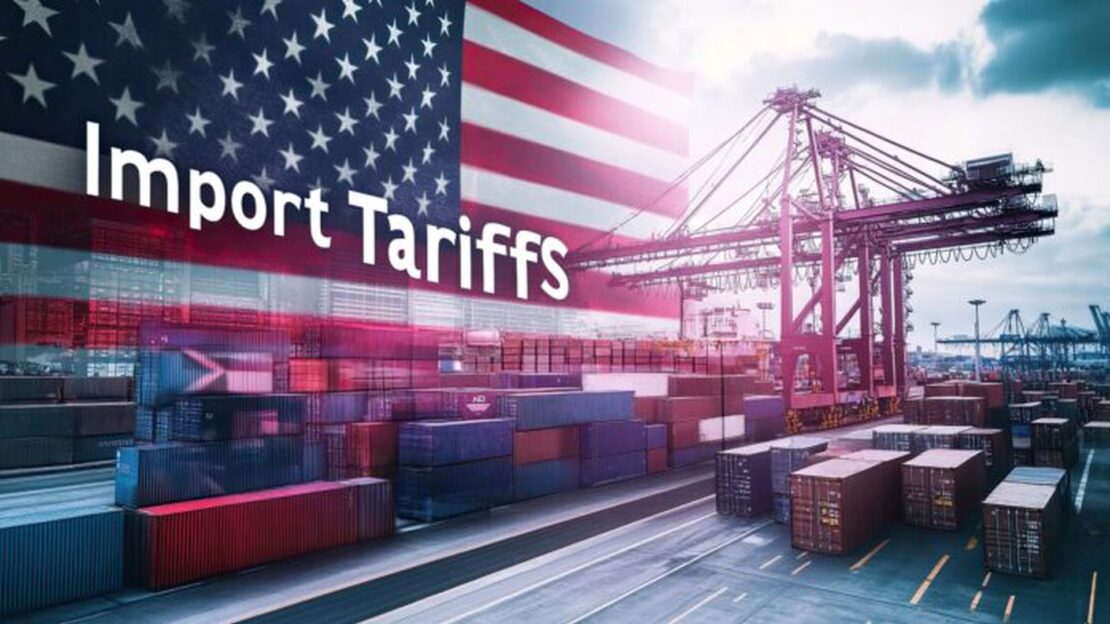
New tariffs imposed on rice imports by the United States government could disrupt the market, according to industry analysts. Starting April 9, Thailand, the leading rice exporter to USA, will face a 36% tariff on its rice shipments. The White House also introduced additional tariffs on other top rice suppliers, including India, Vietnam, and Pakistan, which will see increases of 26%, 46%, and 29%, respectively.
The tariffs, affecting more than 33% of US rice imports, could raise prices on certain rice varieties, particularly aromatic types like jasmine and basmati, which make up over 60% of US rice imports. These varieties are typically not grown domestically. The tariffs could lead to price hikes of up to 33% on imported rice.
China, a key supplier of short- and medium-grain rice to Puerto Rico, will face a combined tariff of 54%. However, rice imports from Mexico and Canada are exempt from these tariffs, as they are covered under the United States-Mexico-Canada Agreement (USMCA).
The United States produces about 80% of its rice domestically, with the Southeast, Gulf Coast, and West Coast being the primary growing regions. Last year, the US exported rice primarily to Mexico, Central America, Haiti, Japan, and Canada. With new tariffs targeting these regions, trade could be disrupted, especially with Central American countries and Haiti, where US rice plays a significant role in food security.
Global rice prices have already seen a decline of 10% to 40% from March 2024 to March 2025, as world production hit a record high. However, the introduction of tariffs has created uncertainty in the market, leaving the future of rice prices and trade unclear.
US rice industry sources indicated that the tariffs could lead to higher prices for imported rice, but they also see opportunities for domestically produced varieties to fill some of the gap. Despite potential shifts in supply, the overall uncertainty may pose challenges for the industry moving forward.