

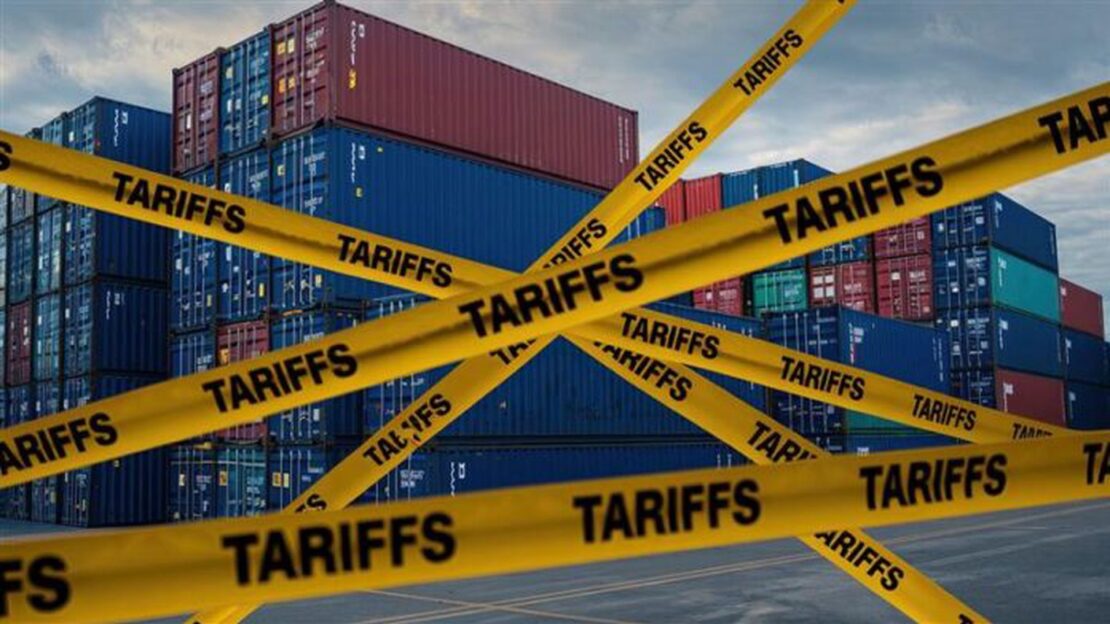
The European Feed Manufacturers’ Federation (FEFAC) has expressed concern over the US’s decision to impose reciprocal tariffs of 20% on all EU agri-food exports, which will impact essential feed ingredients. FEFAC President Pedro Cordero urged US and EU trade authorities to initiate direct negotiations to exempt all agri-food products, including critical feed ingredients, from both US and EU tariff schedules.
The new US tariffs will affect vital feed products such as soybeans, coccidiostats, lysine, probiotics, and maize, including co-products like corn gluten feed and DDGS. Currently, the EU imposes zero import duties on these essential US feed ingredients. Cordero stressed that access to these ingredients is crucial for maintaining both feed and food security in the US, EU, and globally.
“Direct negotiations are necessary to safeguard global food security and the resilience of the agri-food value chain,” Cordero stated. He pointed out that trade opportunities between the US and EU in agri-food and feed could help reduce the current US agri-food trade deficit with the EU.
FEFAC highlighted the EU’s dependence on US soybeans, which make up 44% of EU soybean imports, valued at 3 billion euros annually. There are no direct substitutes for US soybeans, and FEFAC market experts anticipate a 5-10% increase in EU procurement costs if soybeans are sourced from alternative regions. With an average cost increase of 7.5%, the EU livestock sector could face an additional 2 billion euros in costs. The EU also faces compliance costs related to the EU Deforestation Regulation (EUDR), estimated at 2.25 billion euros.
Additionally, FEFAC emphasized the importance of continued access to US maize and its co-products, which accounted for 3 million tonnes of US exports in 2024. These developments could lead to a total cost increase of 4-5 billion euros annually for the EU feed and livestock sector, according to FEFAC experts.