

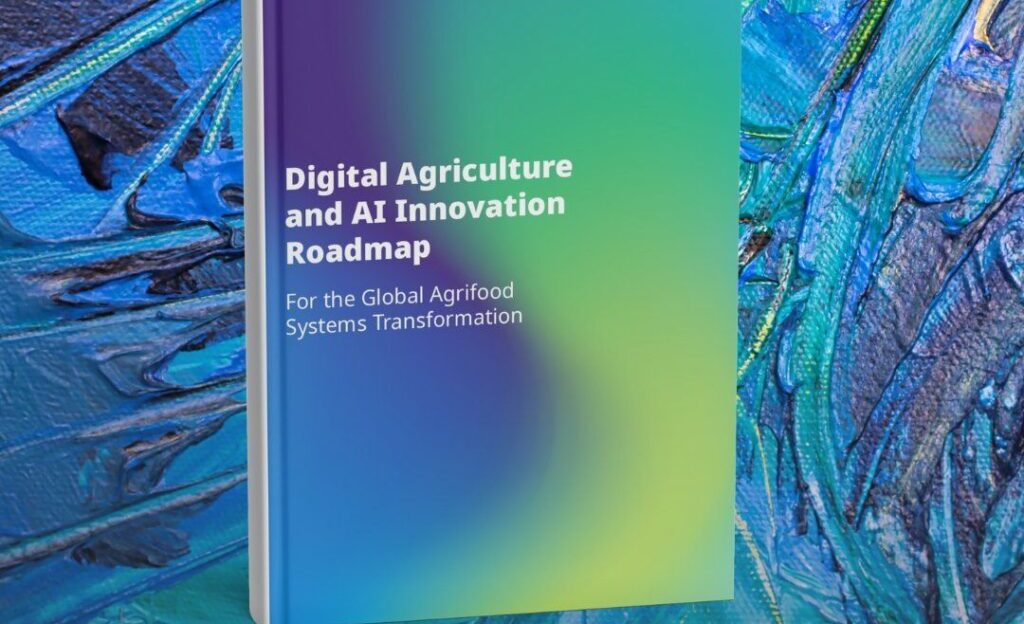

The Food and Agriculture Organization of the United Nations (FAO) has published a new Digital Agriculture and AI Innovation Roadmap, setting out a three-year action plan to accelerate the use of digital technologies and artificial intelligence across global agrifood systems.
Developed through a multi-stakeholder dialogue, the 48-page roadmap aims to move the sector beyond fragmented pilot projects toward a more coordinated, inclusive and impact-driven innovation ecosystem. The strategy aligns with FAO’s broader ambition to create agrifood systems that are more efficient, resilient, sustainable and equitable.
Central to the roadmap is the creation of a collaborative ecosystem that pools knowledge, infrastructure and funding around shared missions and use-case families. This structure is designed to allow governments, innovators and agribusinesses to adapt digital and AI solutions to local agroecological and cultural contexts while benefiting from shared resources and standards.
A key early output of the initiative is the AI Governance Toolkit, developed by ecosystem participants. The toolkit provides practical guidance for the design, selection and scaling of digital agriculture and AI projects, embedding principles such as accountability, equity, data stewardship, security and efficiency throughout project life cycles. It also offers clear metrics to support decision-making by governments, funders and entrepreneurs.
FAO describes the roadmap as both a strategic blueprint and an open invitation. Governments are encouraged to align national digital agriculture strategies, innovators to test and scale solutions within a community of practice, and investors to identify well-governed projects with measurable social, economic and environmental returns.
Key milestones include validation at the AI for Good Summit, formal endorsement at FAO’s Science and Innovation Forum, and the launch of a continuously updated knowledge base and project pipeline to support long-term impact.