

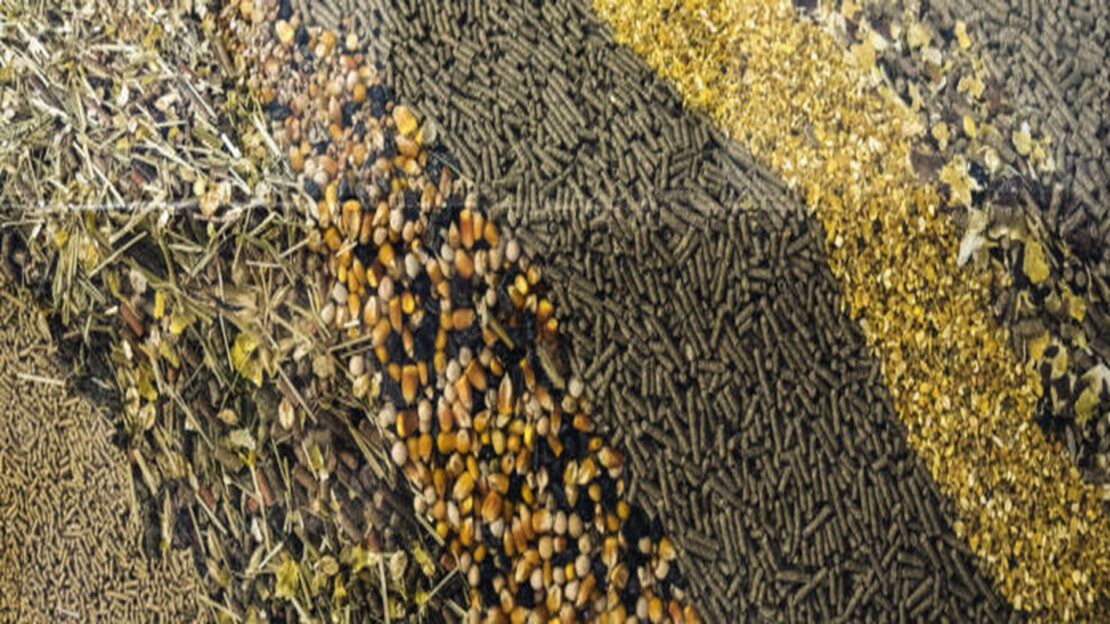
Egypt is exploring ways to recycle millions of tonnes of agricultural and food waste into animal feed, with discussions underway to tackle the issue. Dr. Mohsen Shukry, Rapporteur of the Animal Resources Research Council at the Academy of Scientific Research and Technology, revealed the plans at an industry event, highlighting the potential to use waste for livestock, poultry, and fish feed.
Egypt generates around 65 million tonnes of waste annually, including 50 million tonnes of agricultural waste and 15 million tonnes of food factory waste. Dr. Shukry noted that part of this waste could be repurposed to help meet the demand for animal feed in the country. This initiative could reduce Egypt’s reliance on imported feed and strengthen domestic production.
As part of Egypt’s Vision 2030 economic development plan, efforts are underway to process fruits and vegetables into animal feed. However, Dr. Mohamed El Shafei, a board member of the Chamber of Food Industries, pointed out that there have been limited efforts so far to establish the necessary processing capacities.
In addition to recycling food waste, the Egyptian government is planning to simplify the registration process for new feed products, which could expand the range of feed available to local mills by the end of 2024.
Egypt currently imports around 90% of its feedstuff, mainly corn and soybeans, with local industry officials expressing concerns over rising feed prices due to drought conditions in Brazil, a key supplier. To address this issue, the government is also focusing on reviving domestic soybean production, which has significantly declined over the past four decades. Soybean cultivation in Egypt fell from 62,000 hectares in 1983 to just 14,000 hectares in 2021, but officials are optimistic that production will grow to 500,000 acres in the coming years, with improved yields.
These efforts to recycle food waste and boost local feed production are part of Egypt’s strategy to reduce dependence on imports and stabilise the domestic feed market.